Fangcun Tea Market, Guangzhou: A Visitor’s Guide to China’s Biggest Tea Market
If you love tea and you’re anywhere near Guangzhou, Fangcun isn’t optional. It’s the largest tea wholesale market in China — not one building but a whole district of them, block after block of tea malls and stalls, most of the tea in South China changing hands somewhere in these streets.
It’s also genuinely fun in a way that museum-y tea attractions aren’t. Vendors pull you in for tastings. Prices are real. And because it’s a working wholesale market first and a tourist destination maybe fifth, nobody performs for you. You just get to watch how China actually buys tea.
What is Fangcun Tea Market?
Fangcun (芳村) is a district on the west side of Guangzhou, and the tea market here has been growing since the 1990s. Today it’s a cluster of large tea malls and hundreds of independent stalls spread along Fangcun Avenue — wholesale at heart, but happy to sell you a single cake of tea.
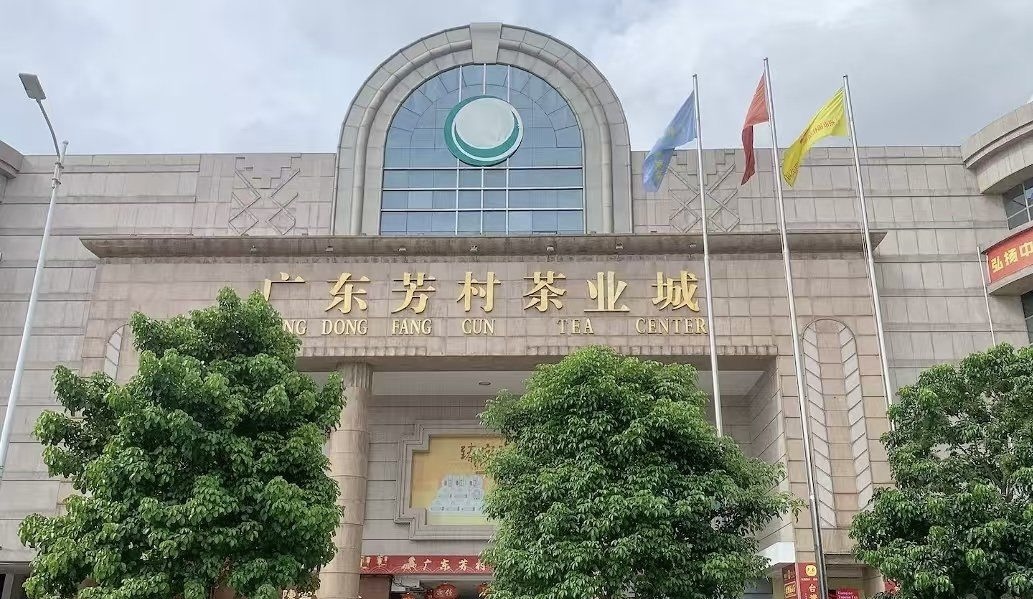
The Chinese name you’ll want for your map app is 芳村茶叶市场 (Fāngcūn cháyè shìchǎng). Type that in and you’ll arrive at the heart of it. You’ll also see individual mall names — the Southern Tea Market (南方茶叶市场) is the famous anchor, the Guangdong Fangcun Tea Center (广东芳村茶业城) is one of the big landmarks, and around them sit several more tea cities, each with its own personality and specialties.
Don’t overthink the geography. The tea malls sit close enough together that you wander between them on foot, and getting slightly lost is genuinely part of the experience. Some of my favorite purchases came from stalls I found while looking for a different mall entirely.
How to get there
Fangcun is in Liwan District, on the western edge of Guangzhou, and it’s easy to reach:
- By metro: Guangzhou Metro Line 1 to Fangcun Station (芳村站), then a short walk or quick taxi hop to the market area. Follow the tea.
- By taxi/DiDi: The simplest option. Show your driver 芳村茶叶市场 or drop a pin on the mall you want. From central Guangzhou (Zhujiang New Town, Beijing Road) expect a 20–30 minute ride depending on traffic.
Give yourself at least half a day. Serious visitors give it a full one. The market is bigger than it looks on a map, and mall-hopping eats time quickly — in the best way.
Opening hours: when should you go?
The market runs on wholesale rhythms, and timing changes the vibe:
- Most stalls open roughly 9:00–9:30 am and wind down around 6 pm. Individual shops vary — this is hundreds of independent businesses, not a mall with posted hours.
- Mornings are wholesale hours. Buyers for tea shops across China move through with lists and serious faces. You can shop alongside them, but the stalls are at their busiest.
- Early afternoon is the sweet spot for visitors. Stall owners are settled in, kettles are hot, and there’s time to actually sit and taste. This is when you’ll get the full experience — being waved over, poured a cup, asked where you’re from.
- Chinese New Year closes everything. The market empties out for a week or two around the holiday. Check dates before you plan a trip anywhere near it.
- Spring (March–May) is the most exciting season. Fresh green and white teas from the new harvest arrive, and the whole market smells like it.
What it’s actually like inside
Picture a shopping mall where every unit sells tea. Now multiply by ten buildings. Ground floors hold the bigger name-brand shops; upper floors are a maze of small stalls stacked with tins, cakes, and sample trays.
The ritual of the place is the tasting. You approach a stall, the owner clears a spot on the tasting table, and suddenly you’re drinking — small cups, short steeps, one tea after another. Nobody pressures you to buy before you’ve drunk. You can choose one stall to walk in and just take a few cups of tea without buying. The owners love to talk to tea lovers.
A few things that surprise first-timers:
- Nobody displays prices. Price discovery is a conversation. Ask 茶怎么卖 (chá zěnme mài — “how is the tea sold?”) and the real negotiation starts.
- The same tea can carry wildly different prices across stalls — which is exactly why tasting widely before buying matters.
- Many stall owners don’t speak much English. Translation apps are your friend, and tea is a universal language anyway. Point, taste, smile, repeat.
- It’s wholesale-first. Some stalls have minimum quantities for their best prices, but almost everyone will happily sell you a small amount at a fair rate.
What to buy at Fangcun
Fangcun trades everything, but it has gravity toward a few things:
Pu-erh
Guangzhou is the trading and storage capital of the pu-erh world, and Fangcun reflects it — entire floors of compressed cakes, bricks, and tuo from Yunnan, spanning decades of vintages. This is the market for it, whether you want a young cake to age yourself or you’re just pu-erh curious.
Phoenix Dancong and other oolongs
Guangdong’s own famous oolong, with its wild aroma range, is everywhere and usually excellent value at the source. Fujian oolongs — Tieguanyin, Wuyi rock teas — are well represented too.
White tea
Aged white tea cakes have become a serious category in South China, and Fangcun has shelves of them, from fresh-season Silver Needle to ten-year-old Shou Mei.
Teaware
Gaiwans, Yixing-style pots, tea trays, cups, pet teas — the equipment stalls sit alongside the tea ones, and prices beat anything you’ll find online. If you’ve been putting off buying a proper gaiwan, buy it here. My gaiwan buying guide tells you what to look for before you go.
How buying works (and how to not overpay)
The mechanics are simple even if the etiquette takes a visit or two:
- Taste first, always. If a stall won’t let you taste before buying, walk. Plenty of others will pour you a cup the second you slow down.
- Ask the price of what you tasted, not a general price. “This tea, this amount, how much?” keeps quotes honest.
- Compare across at least three stalls before buying anything significant. The same Longjing can quote three different numbers on one floor.
- Politeness beats aggression. Fangcun isn’t a bazaar-style haggle-fest; it’s relationship commerce. Vendors give better prices to people they like and remember. Becoming a “regular” after two visits is a real, noticeable experience.
- Small amounts are fine. Many stalls will sell 50g samples once they sense you’re a genuine buyer and not just thirsty.
The scam patterns that hit tourists elsewhere in China — the charming stranger, the “special ceremony” — don’t really run here. This is a local market, not a tourist trap. The risk in Fangcun is much more ordinary: overpaying for average tea because you didn’t compare. Compare.
Practical tips for your first visit
- Payment is phone-first. WeChat Pay and Alipay run everything. Alipay works with international cards now — set it up before you arrive, and carry a little cash as backup.
- Wear comfortable shoes. You will walk more than you planned. The malls have elevators but the days are long.
- Go with a budget and a shortlist. Fangcun punishes aimless abundance — everything looks good at hour three. Decide your categories before you enter (say: one pu-erh, one Dancong, one gaiwan) and let yourself deviate only twice.
- Photograph labels and prices. Future you, comparing stalls, will be grateful. So will you at customs — plain packaged tea travels home fine (my customs guide covers the US, UK, Canada, and Australia).
- Ship the big haul. SF Express counters handle international parcels, and stalls will help you pack if you ask. Carry the tea you love; ship the volume.
- Keep an empty bag. Tea tins and cakes are heavy. A foldable bag in your daypack earns its space by 2 pm.
Is Fangcun worth it if you’re “just a beginner”?
Honestly? It’s the best classroom in China.
You’ll taste dozens of teas in an afternoon for free, watch how professionals evaluate leaves, and calibrate your palate against real market tea instead of marketing. You’ll be overwhelmed, and then you’ll be hooked. If you’re new enough that the tea categories themselves are still fuzzy, brush up first — start with the six great tea types so the stalls mean something when you meet them.
Quick answers
What is Fangcun tea market’s Chinese name? 芳村茶叶市场. The main anchor mall is 南方茶叶市场 (Southern Tea Market). Show either to a taxi driver and you’ll land in the middle of it.
Can tourists buy at a wholesale market? Yes. It’s wholesale-first, not wholesale-only. Small purchases are normal; best prices come with quantity and repeat business.
How much should I expect to pay? Genuinely depends on the tea and your negotiation. The habit that saves money: taste the same category at three stalls, note prices, then buy. Price discovery here is a conversation, not a sticker.
Do vendors speak English? Some, mostly at the bigger shops. Translation apps cover the rest. Numbers, tea names, and smiles go a long way.
How do I get tea home from Fangcun? Packaged plain tea goes in your suitcase — see bringing tea home from China for country-specific customs rules. For larger hauls, ship via SF Express.
How much time should I plan? Half a day minimum, a full day if you’re buying seriously. Add a morning if spring harvest season has you hunting fresh green tea.
The takeaway
Fangcun is what happens when a country’s tea trade gets a physical address: overwhelming, honest, cheap in the right ways, and completely different from buying tea anywhere online.
Go in the early afternoon, taste everything you’re offered, compare before you commit, and buy the gaiwan. The version of you who drinks this tea at home, months later, will remember exactly which stall it came from — and start planning the return trip.
If you’re mapping out a whole market tour, the Chinese Tea Markets hub collects all the guides in one place.
