Can You Bring Tea Home from China? A Customs Guide for the US, UK, Canada & Australia
Every traveler standing in a Chinese tea market eventually asks the same nervous question: “Wait — can I actually take this home with me?”
I’ve asked it myself when I was in Hongkong, standing at a stall in a tea city with a bag of oolong in one hand and a long flight ahead of me. The answer is almost always yes, and it’s simpler than the internet makes it sound.
Here’s the short version: plain, processed, commercially packaged tea is welcome into the US, UK, Canada, and Australia for personal use. The things that cause trouble are herbal blends with fruit and seeds, undeclared items in strict countries, and amounts that look like you’re starting a business.
Now the details, country by country, that’s where the small print lives.
One thing before we start: border rules change, and the officer at the counter always has the final say. Check your border agency’s website right before you fly. This guide gives you the honest lay of the land, not legal advice.
Can you bring tea into the US?
Yes — and this one surprises people every time.
Plain tea (black, green, white, oolong, pu-erh — all the same plant, all processed and dried) is generally admissible in your luggage. US Customs and Border Protection and the USDA care about raw plant material that could carry pests. Tea leaves that have been picked, processed, and dried don’t fit that worry.
What matters:
- Commercially packaged and labeled is your friend. Sealed foil bags, tins, boxes with an ingredient label — this all reads as a normal product, not a mystery plant.
- Declare it anyway. When you land, declare agricultural products. Declaring takes thirty seconds. Not declaring, if you’re caught, can mean a fine — and the fine is the same whether you hid a banned apple or forgot you had tea.
- Herbal teas are different. Blends with dried fruit, seeds, or certain leaves get more scrutiny. Some are fine, some aren’t. Declare them and let the officer decide — that’s literally their job.
If you’re a US resident returning from abroad, you also have an $800 duty-free goods allowance, and a few kilos of tea won’t come close to it.
Can you bring tea into the UK?
The UK is the most relaxed of the four.
There’s no special restriction on tea for personal use. Your tea rides in your suitcase like a book. The rule that actually applies is the general personal allowance for goods — £390 worth if you’re arriving from outside the UK — and no realistic amount of tea for personal drinking comes near that.
Two things to keep in mind:
- Keep it in original packaging where you can. Nobody will ask, but if they do, labeled packaging ends the conversation instantly.
- Big quantities invite questions. Bringing home a personal stash is normal. Bringing home what looks like stock for a shop is a different conversation, possibly about import rules and VAT.
Can you bring tea into Canada?
Yes. Dried, commercially packaged tea for personal use is permitted into Canada.
The Canada Border Services Agency is mostly concerned with fresh plants, seeds, soil, and meats. Processed tea doesn’t raise flags. Declare your agricultural items as you arrive, and keep the herbal-blend rule from the US section in mind — fruit and seed additions are the part that can slow things down.
If you’re a Canadian resident returning after more than 48 hours, your personal exemption is CA$800. Your tea budget is safe.
Can you bring tea into Australia?
Australia is the strictest of the four — but plain tea is still fine.
Australian biosecurity is famously tough because the country guards itself against pests and diseases the rest of the world doesn’t have. The good news: commercially manufactured and packaged plain tea is on the list of things you can bring in for personal use, and packaged plain tea doesn’t even need to be declared.
The rules tighten fast, though:
- Herbal teas and blends must be declared if they contain anything beyond processed tea leaf — dried fruit, seeds, flowers, chunks of root. They’ll likely be inspected. Some pass, some don’t.
- Never skip declaration in Australia. This is the one country where an honest thirty-second stop matters most. Failing to declare is an on-the-spot fine, no drama, no negotiation.
- Unpackaged or homemade-looking material — the kind of thing a market vendor might hand you in a plain bag — deserves extra care here. If it doesn’t look like a commercial product, either declare it or don’t bring it.
If you’re tea-obsessed and Australia-bound, the safe play is simple: sealed, labeled, plain-leaf tea only.
What about herbal and flower blends?
This is where nearly all customs trouble with tea actually happens, so it deserves its own section.
Plain tea is one plant, processed. Blends are a different story:
| What’s in it | How customs treats it |
|---|---|
| Pure tea leaf (plain green, black, oolong, pu-erh) | Welcome almost everywhere |
| Tea + jasmine blossoms | Usually fine, declare in strict countries |
| Chrysanthemum or flower tisanes | Declare; inspection possible |
| Blends with dried fruit pieces | Declare; fruit gets attention |
| Anything with seeds or whole berries | Highest scrutiny; may be refused |
| Loose unknown herbs from a market bin | Honestly — just don’t |
Notice the pattern? The more the blend looks like processed food product and the less it looks like plants in a bag, the easier your crossing goes.
My personal rule after a few crossings: I buy pure teas and classic jasmine freely. I photograph the label of anything blended, and I skip the mystery herb piles no matter how good they smell.
How much tea can you bring home?
There’s no official “tea allowance” in any of the four countries. What customs actually evaluates is personal use versus commercial intent.
What reads as personal use in practice:
- A few sealed retail packages of tea
- Roughly 1–2 kg of loose leaf total, especially in labeled bags
- A pu-erh cake or two wrapped in its original paper
What starts looking commercial:
- Ten identical kilo bags of the same tea
- No receipts, no packaging, bulk bags split by hand
- Amounts way beyond what one person could drink before it goes stale
Nobody counts your grams. They read the shape of what you’re carrying. Keep it in the personal-use shape and you’ll walk through every time.
Should you carry it or ship it?
Both work, and I’ve done both. They solve different problems.
Carrying it is best for tea you love and tea you’re nervous about. It stays with you, it doesn’t get lost, and luggage rules are friendlier than mail rules in strict countries. The downside is weight — tea is dense, but a serious haul gets heavy fast.
Shipping it is best for big hauls and gifts. Chinese couriers (SF Express is the one tea shops use constantly) ship international parcels daily, and the shop will usually pack it properly if you ask.
If you ship, know this:
- You’ll fill out a customs declaration. Write “tea, processed, packaged” honestly with a value.
- Mail follows the same import rules as luggage. Australia’s biosecurity rules apply to parcels too.
- Shipping takes weeks and occasionally loses things. Never ship the one tea you’d be heartbroken about. Carry that one.
How to pack tea for the flight
Airplane cargo holds and overhead bins are hostile places for delicate leaves. A little packing strategy protects both the tea and your nose — because tea absorbs odors from everything around it.
- Keep tea in its original sealed packaging. It’s airtight, it’s labeled, and it’s your best evidence at customs. Don’t repackage before flying.
- Double-bag anything aromatic. A strong black tea or smoky lapsang can perfume an entire suitcase. Zip-top bag around the original package solves it.
- Protect pu-erh cakes like plates. Wrap in paper, then clothing, then the middle of your suitcase. They’re compressed leaf — they survive pressure fine, but corners chip.
- Never pack tea with anything smelly. Sunscreen, snacks, that delicious spicy noodle souvenir — all enemies.
The moment you’re home, move your tea into proper storage. Tea that survived 9,000 kilometers deserves better than a kitchen counter for a month — my tea storage guide covers the whole setup, and it takes ten minutes to get right.
What NOT to bring home from a tea market
A short list of things I’ve learned to admire at the stall but leave in China:
- Loose dried herbs, flowers, or roots from bulk bins — no label, no provenance, maximum customs risk
- Anything with whole seeds or berries — the most refused category
- Tea blends with large dried fruit chunks — buy them at home instead; Western retailers stock good ones
- “Medicinal” items of unclear content — genuinely not worth the conversation at the border
The truth is that 90% of what makes Chinese tea worth buying is the plain leaf itself. The fancy blends are the part you’re least likely to miss.
Quick answers
Do I have to declare tea at customs? For plain packaged tea: declare in the US and Canada (declare all agricultural products), no declaration needed in the UK, and packaged plain tea is exempt from declaration in Australia. If any doubt exists in your mind, declare. Nobody has ever been fined for declaring tea.
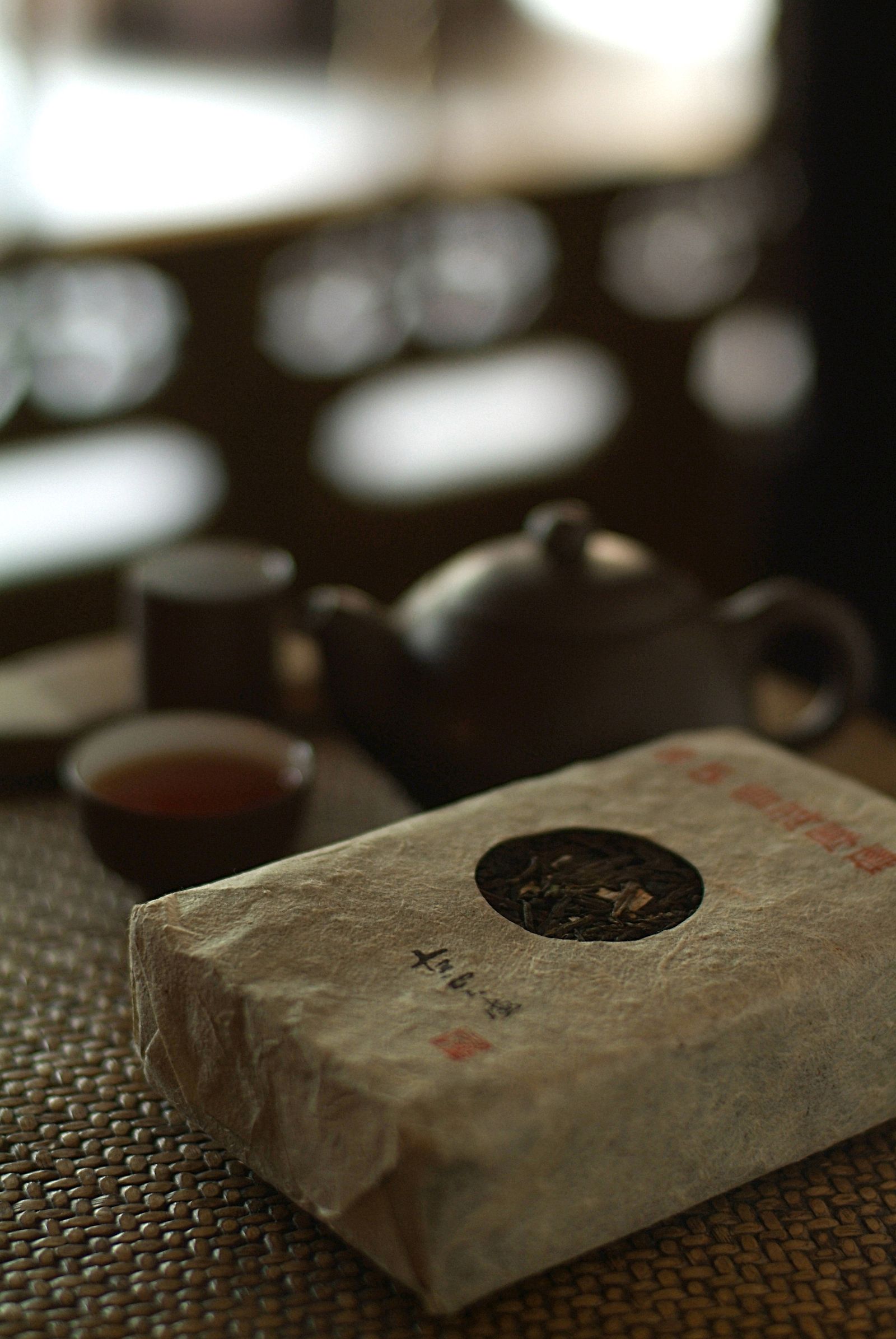
Can I bring pu-erh cakes through customs? Yes. Compressed, processed, dried leaf — same rules as loose tea. Keep the original wrapper, which conveniently has the producer’s info on it.
Will customs open my tea? Possibly, if you declare a blend that needs inspecting. That’s why sealed commercial packaging matters — inspectable, resealable, and honest-looking.
Can I bring tea back in my carry-on? Yes, in all four countries, within normal liquid rules — and dry leaf has no liquid rules. Security screening doesn’t care about tea; customs is the only conversation.
Is tea cheaper in China, even with the flight? That’s the wrong math — nobody flies to China just for tea. But if you’re already there, market tea costs a fraction of what the same leaves sell for abroad. Buying at the source is the whole point.
The takeaway
Bringing tea home from China is a solved problem, and it has been the whole time.
Plain, processed, packaged tea crosses every border on this list. Declare when your country asks you to, keep the labels on, pack against smells, and save the adventurous blends for a future trip. The officer waving you through has seen a thousand tea travelers — be the organized one.
Then unpack your haul, get it into airtight tins within the week, and enjoy the part that actually matters: drinking tea that came from where it grows.
