Biluochun: The Tea So Fragrant They Called It ‘Scary’
Some tea legends involve emperors’ mothers, iron goddesses, grateful scholars.
This one is mostly about a smell.
A smell so over-the-top that the people who lived with it gave their local tea the least dignified name in the history of tea: Xia Sha Ren Xiang — “scare-you-to-death fragrance.”
This is the legend of Biluochun, one of China’s most famous green teas. It involves no miracles. What it involves instead — fruit trees, a lake, and one emperor’s branding instincts — is somehow more charming.
A Mountain in a Lake
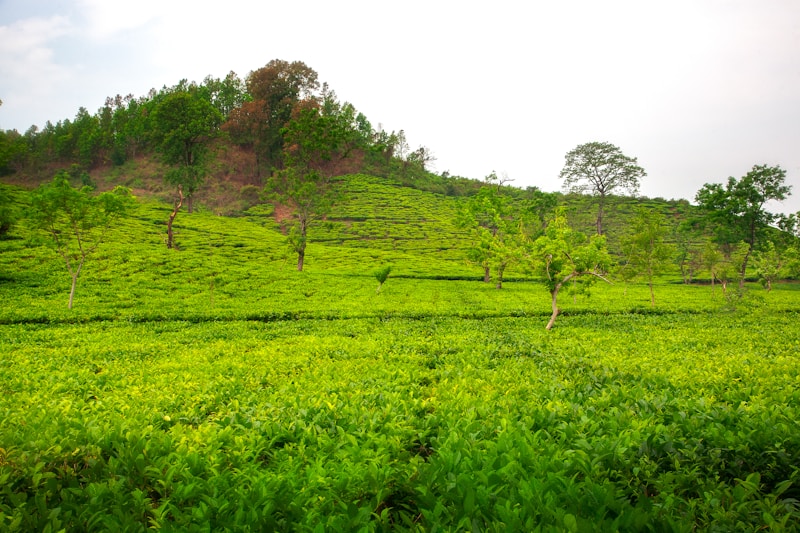
The setting is Dongting Mountain, not a big peak but a hilly island rising out of Taihu Lake, the vast shallow lake beside Suzhou. Mist rolls off the water across the slopes. Fruit trees — peach, plum, apricot, loquat — have been interplanted with the tea bushes there for centuries, in rows that alternate like stitching.
That last detail is not legend. It’s agricultural fact, and it’s the secret of the whole story.
The tea bushes grow among the fruit trees. For generations, their roots have shared soil and their flowers have shared air. And somewhere along the way, the tea leaves picked up something from the neighbors: an extraordinary natural fruit-and-floral fragrance that no other green tea quite has.
The locals were used to it. Visitors were not.
The Name the Locals Gave It
The tea was picked early — tiny, downy, coiled buds and leaves in early spring, when the aroma is at its peak. Villagers drank it, sold it at market, and gave it the name that came naturally:
Xia Sha Ren Xiang — “fragrant enough to scare a person to death.”
If you’re wondering whether that’s really what it meant: yes. Xia sha ren (“scare to death”) was common exaggerated street Chinese, the way we say “to die for.” The name was affectionate. It was also, let’s be honest, a marketing disaster waiting to happen.
Because one spring, an emperor came to the lake.
Kangxi’s Tea
The year, in the most-told version, is 1699. The emperor is Kangxi — grandfather of Qianlong of the Longjing legend, and in his own way the greatest tour-taker of them all.
Touring Taihu Lake, the emperor is served the local tea. He’s struck by it — the tiny curled buds, the green-gold liquor, and above all that fragrance, fruity and floral at once, unmistakably the child of those interplanted slopes.
He asks the name.
Someone has to tell him. The emperor of China is holding a cup of Scare-You-To-Death Fragrance.
The story says Kangxi found this unacceptable — a tea this fine could not carry a butcher’s name. So he renamed it himself, choosing three characters that described what was actually in the cup:
Bi Luo Chun.
- Bi — green jade, for the color.
- Luo — snail, for the tightly curled, spiraled shape of the buds, like a tiny snail shell.
- Chun — spring, for the early season it must be picked in.
Green Snail Spring. A name that’s a complete tasting note. The emperor liked the tea enough to declare it imperial tribute tea, and the name has carried it for three centuries since.
What’s Legend and What’s Lake Breeze?
The fruit-tree interplanting: completely true, and you can walk through it today. The fragrance: real, though modern noses argue about how much comes from the trees versus the cultivar itself. The picking window: true and extreme — proper Biluochun is picked in a brief early-spring window, and it takes roughly sixty thousand of those tiny buds to make a single kilogram of finished tea. Pickers work the rows for days to produce very little.
Kangxi’s renaming: documented in Qing-era local records, though historians enjoy debating the details, as historians do. The “scare you to death” original name: widely recorded in local Suzhou tradition.
In other words — this is the rare tea legend that is mostly just… true. A lake, trees, farmers, and an emperor with good instincts for naming.
Brewing Green Snails
Biluochun rewards gentleness. The buds are tender and full of fine down; boiling water will scald the fragrance you’re paying for. Use soft, cooler water — 75–80°C — in a glass, and don’t walk away. The show is part of the point: the coiled buds sink slowly, standing upright before settling, in what tea people call a “spring snowfall.”
Because it’s a delicate green tea, the buying rules are the same ones in my green tea choosing guide — look for the down, the curl, the color, and be suspicious of anything cheap claiming Dongting origin. And if you’ve never brewed loose leaf green tea properly, start with this guide; Biluochun is one of the most rewarding teas to learn on.
One honest warning: good Biluochun ruins you for ordinary green tea. The first time you smell those dry buds — fruity, floral, faintly absurd — you’ll understand exactly why a lake full of villagers started calling it scary.
They weren’t complaining. They were bragging.
